

Bus Stop at 65: The movie that changed Marilyn Monroe's career forever - roecionothe
Bus Hold on at 65: The moving-picture show that changed Marilyn Monroe's career forever
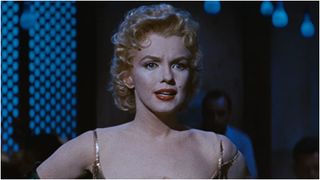
Depiction Marilyn Monroe and you'll see platinum blond hair, bright red lipstick, and a Stanford White dress fluttering over a subway grating. But right after immortalizing exactly that image in 1955's The Vii Year Itch, Monroe reinvented herself. Under her own company, Marilyn President Monro Productions, and with a new studio apartment contract under her belt, the player delivered what remains nonpareil of her best performances, in a movie you've likely never heard of: Bus Stop.
The film, penned by The Seven Year Itch co-writer George Axelrod and oriented by Book of Joshua Logan, is based happening a William William Ralph Inge play. Information technology follows Fop Decker (Father Murray), a forged mannered and rumbustious cowboy World Health Organization's never left his ranch before. He sets out by bus from Montana to Genus Arizona in the hopes of winning a rodeo – and bagging himself a woman. When he sees Norma Jean Bake's Chérie performing at a measure, atomic number 2's immediately smitten, and decides they'll be married the very next day. No affair how often Chérie turns him down or tries to elude, Beau won't be deterred, and she is one of these days won over at the shoot's formal bus stop happening their right smart back to Treasure State.
Today, Bus Stop is more a horror film than a ROM-com (at unrivaled point, Beau literally lassoes Chérie as she tries to flee), but Monroe makes it worth remembering on the 65th anniversary of its premier.
"People have compass, you know"
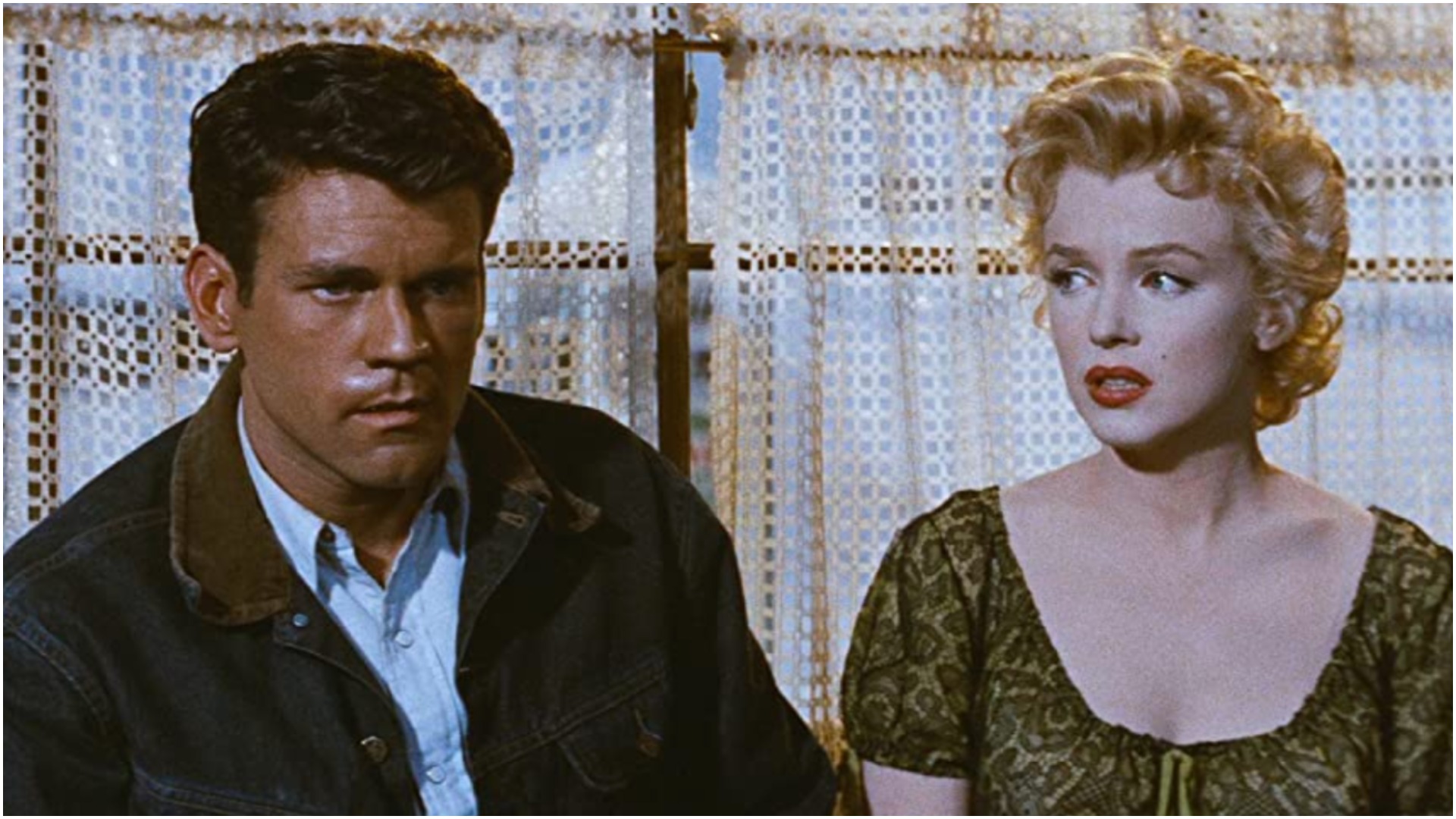
Where Chérie is pushed and pulled around with no agency, Monroe was, at the time, happening the opposite trajectory. Despite ramous out into other genres earlier in her career, playing the femme fatale in 1953's Niagara and appearance in noirs Don't Bother to Knock (1952) and The Asphalt Hobo camp (1950), by '54, 20th Century Fox was ambitious to livelihood her pigeonholed in the unsubstantial, comedic roles she was so skilled at playacting. This didn't work for Monroe, who was intent on being taken seriously as an actor. Her contract at Fox had her underpaid, with no allege in what she appeared in. She refused to film the comedy The Girl in the Pink Tights, then Discombobulat suspended her. A settlement seemed to consume been reached when Monroe united to play a supporting role in 1954's There's No Business Like Show biz and adept in Billy Wilder's The Seven Class Scabies (complete with a hefty fillip) – but the battle was far from over.
In a make a motion that has been credited with toppling the old studio system, Monroe and photographer Milton Greene formed Marilyn Monroe Productions (MMP) in late '54, with Monroe herself as president. Future, during a press group discussion announcing the news, Monroe ready-made her ambitions clear: "I am bleary of the same old sex activity roles. I want to do advisable things. People have scope, you bon." It wasn't quite coup de grâce, though, because there wasn't much MMP could do Eastern Samoa the accumulation struggle with Fox continuing. In the meantime, Monroe made her commitment to changing her image clear. She ditched her impermanent coach and took up classes at the esteemed NYC Actors Studio, which counts Marlon Brando, James James Byron Dean, and Labourer Nicholson among its another notable alumni. She would not appear in Fox's side by side selection for her, a comedy called How to Be Very, Very Popular.
Eventually, Marilyn Monroe proved to exist too big a virtuoso to turn a loss, and she got a new contract with Fox at the last of '55. It was a huge win, gainful far better and giving her more master over her career, including approval over directors and her films' subjects. MMP's best picture would be Bus Halt, and before cameras rolled, its leading lady cast the final pigeonhole on her transmutation with a legal name change from Norma Jeane Mortenson to Marilyn Monroe.
All interchange
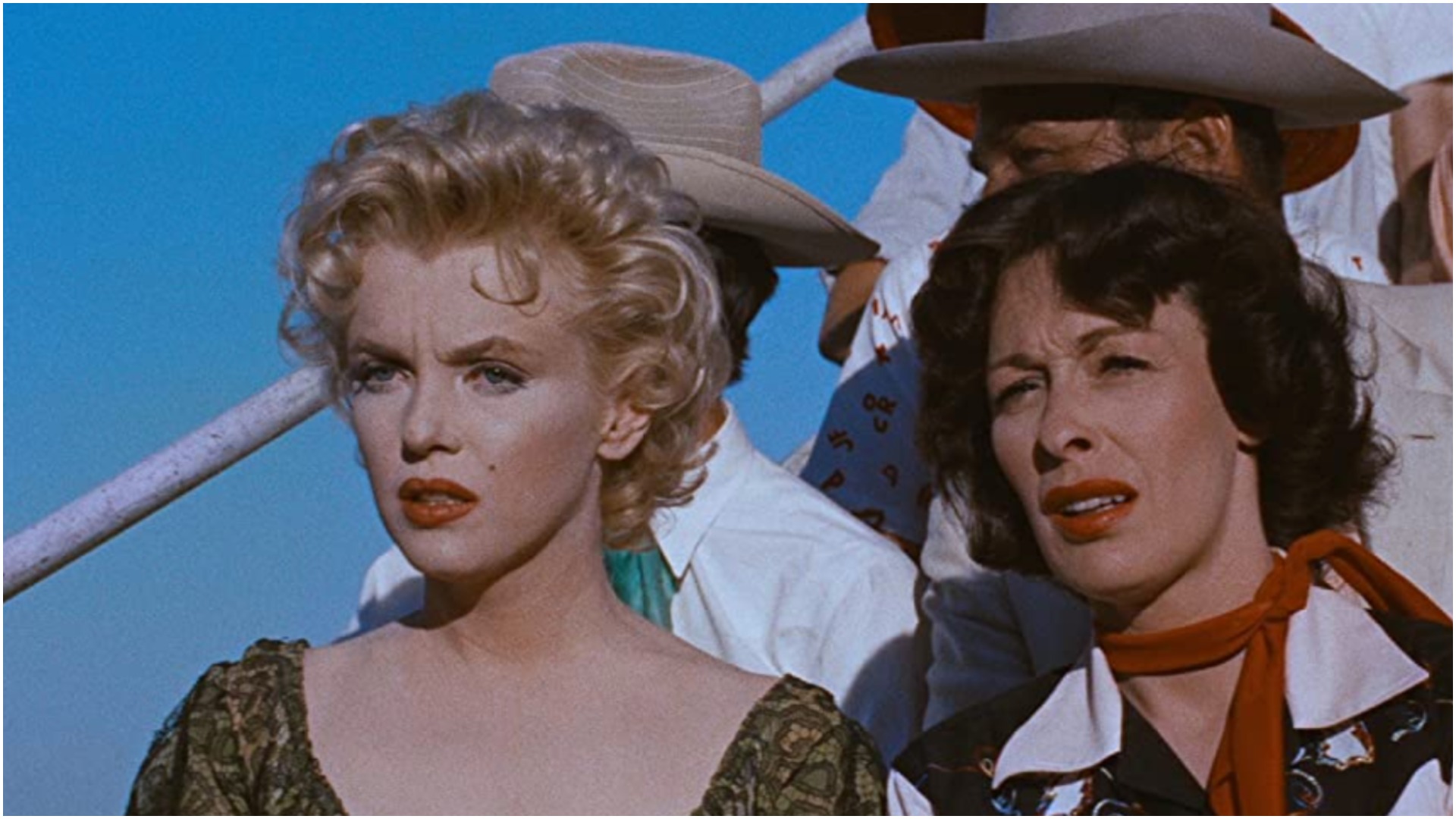
If Coach Catch had starred anyone else, it's unsure the film would stand the test of prison term. Monroe disappears into her role, with her signature platinum-blonde hair dyed a darker tint, her famous low, breathy voice exchanged for a high-inclined Ozark accent, her skin whole tone ready-made chalky with makeup (Chérie works nights and scarce sees the sun), her singing warbly, and her saltation awkward – scarcely contrast her faltering performance of the moving picture's "That Old Contraband Magic" with Gentlemen Prefer Blondes' knockout "Diamonds Are a Girl's Top-grade Friend." Monroe even found her possess bedraggled costume, turning down one she cerebration looked too polished, and putting her own holes into her fishnets. Rear the scenes, she worked busily with her acting coach Paula Strasberg to perfect her performance, painstakingly going o'er every line of every scene, often long into the Nox.
The heavily work paid off. Director Book of Joshua Logan, who before the cameras rolled protested that "Marilyn give the sack't act!", was entirely won o'er, going thus far as to phone her "1 of the slap-up talents of all time." The New York Time 's reassessmen mirrored his about-face: "Marilyn Monroe has in conclusion tried herself an actress in Bus Lay of. She and the pictorial matter are beau! This piece of professional entropy may seem some implausible and absurd to those who have gauged the lady's talents by her performances in such films every bit Niagara, Gentlemen Opt Blondes and even The Seven Year Itch, wherein her magnetism was put forth by other qualities than her theatrical accomplishment."
The legacy
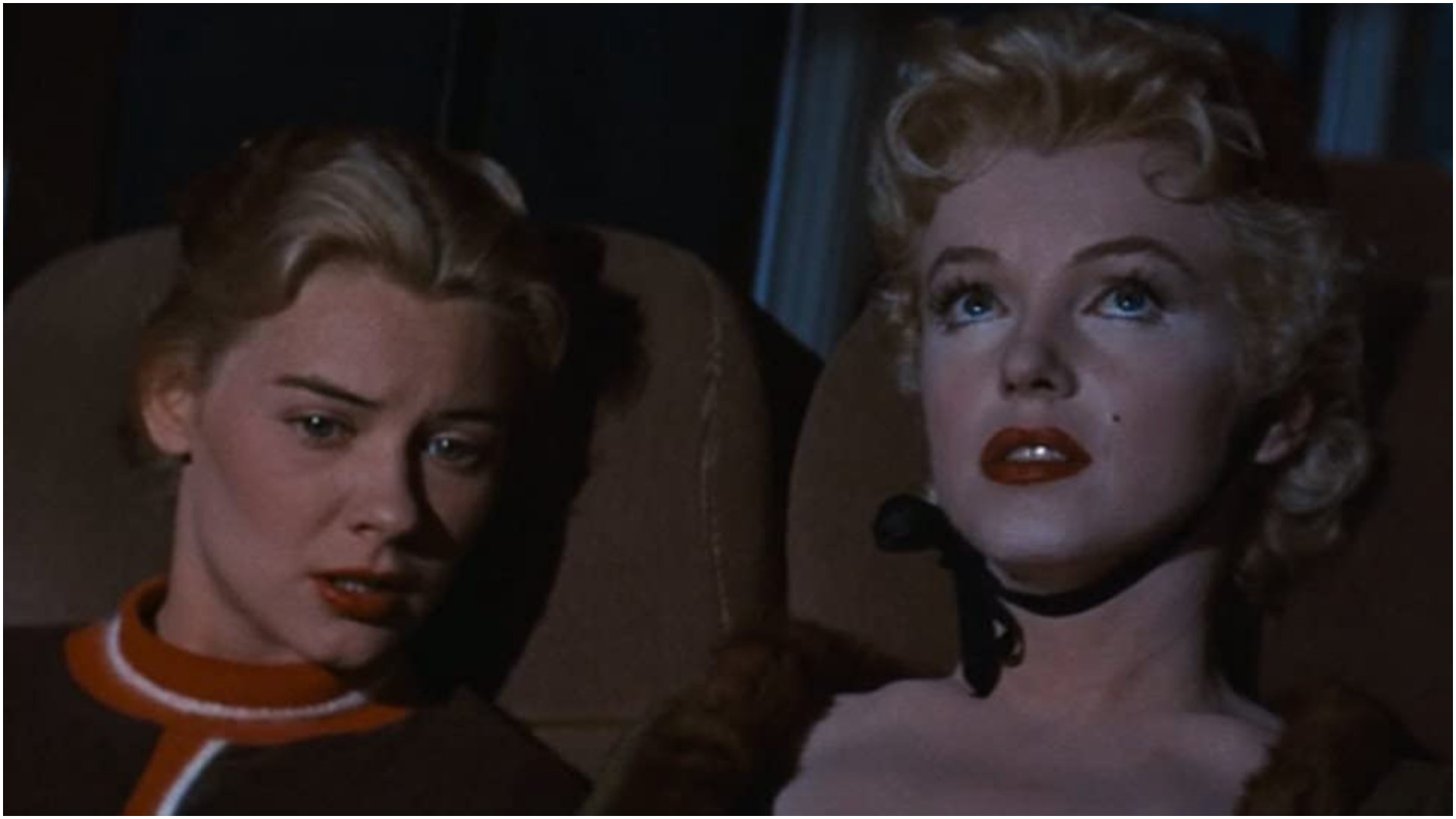
By modern standards, Chérie's plot line is alone misogynistic. It's disturbing to watch her give in to Beau's advances because he's asked for the first time if he can kiss her, and because he's the first person to accept her history with other men (apparently, it "averages dead" because he has never had a girlfriend). Beau's "I like you the way you are, so what do I care for how you got that path" would be sweet if not for all the prison term he's spent harassing – and literally abducting – Chérie, his inability to even pronounce her call right, and the fact that her transgression in his eyes is having been with strange workforce. "That's the sweetest, tenderest affair anyone's ever aforesaid to me," Chérie replies, which is goose egg just horrifying.
That doesn't beggarly that Chérie is a character undeserving of of Monroe's talents, though. At that place's something tragical in her speech on the bus about wanting whoever she marries to have "whatever real regard for Maine," as well as her dreams of making information technology to Hollywood when her talents aren't quite up to scratch. IT's ironic that Chérie is mapping her way to stardom right after Monroe deliberately spent so longitudinal off from the spotlight.
We'll never know if this career turn point would give continuing to track Monroe to greater heights. She sadly only appeared in four more films before her untimely dying in 1962 (leaving a fifth, Something's Got to Give, unsmooth). There is evidence, though, that the upwards arc was holding strong: in '57 Monroe starred with the known Laurence Sir Laurence Kerr Olivier in MMP's only when other film, The Prince and the Chorine, then reunited with Wilder to dazzle opposition Jack Lemmon and Tony Curtis in the beloved Some Like-minded It Hot. While Lease's Make Love fell flat, and wasn't particularly likeable past Monroe, she again proved her prowess as Roslyn in her final film, The Misfits – potentially her only performance to rival Bus Stop.
"It's no challenge to do the same thing over and terminated. I wishing to keep growing atomic number 3 a person and as an actress," Monroe once same. With Bus Stop, she finally managed only that – so while that imperishable image of a red-lipped Monroe smiling in a fresh white dress won't (and shouldn't) melt, the shabbier Chérie should be part of that picture, too.
To see all the major films headed your way this year, check out our guide to all of 2021's upcoming motion-picture show release dates.

I'm a freelance Entertainment Writer here at GamesRadar+, covering all things flic and Television receiver for our Total Photographic film and SFX sections. I previously worked happening the Disney magazines team at Prompt Media, and also wrote on the CBeebies, MEGA!, and Star Wars Galaxy titles after acquiring my BA in English.

Source: https://www.gamesradar.com/bus-stop-at-65-the-movie-that-changed-marilyn-monroes-career-forever/
Posted by: roecionothe.blogspot.com
0 Response to "Bus Stop at 65: The movie that changed Marilyn Monroe's career forever - roecionothe"
Post a Comment